


58pp | The Engaging World of Strategy Games
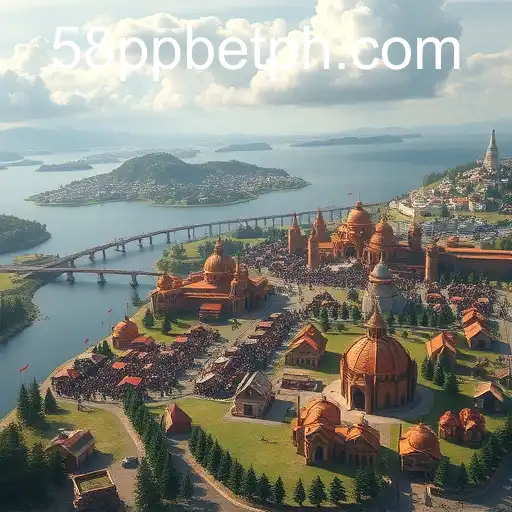
In the realm of digital entertainment, strategy games have carved a unique niche, captivating minds that relish complex problem solving. As a game category, it embraces a rich tapestry of titles where the only constant is the demand for tactical thinking and foresight. Whether navigating the command of vast empires or orchestrating small-scale skirmishes, players are drawn into dynamic environments that test their intellectual mettle. The keyword '58pp' resonates with those deep within this genre, symbolizing perhaps a benchmark or an aspect of gameplay excellence that aficionados seek to achieve or surpass.
A brief exploration of strategy games reveals their multifaceted nature, crossing genres from turn-based classics to real-time adventures steeped in warfare, resource management, or diplomacy. Games like 'Civilization', 'StarCraft', and 'XCOM' have pushed the boundaries of what defines strategy games, each introducing innovative mechanics that challenge conventional wisdom.
Central to these games is the player's ability to adapt. A change in opponent tactics, unpredictable events, or the introduction of new elements requires players to recalibrate their strategies constantly. This dynamic evolution keeps the gameplay fresh, encouraging logical reasoning and long-term planning. Moreover, the competitive aspect, whether against AI or human opponents, adds an edge to the strategy gaming experience, often leading to intense rivalries and communities centered around shared experiences and strategies.
The allure of strategy games also lies in their educational value, enhancing skills such as critical thinking and decision-making under pressure. Players are not just entertained; they are concurrently sharpening cognitive skills valuable beyond the virtual battlefield. For many, '58pp' might not just represent a keyword but a symbol of achieving a state of strategic zen, recognized and revered within the strategy gaming community.
As technology evolves, so too do the possibilities within strategy games. Advances in AI and computing power create sophisticated environments that mirror real-world complexities, offering rich, engaging narratives and challenges that reflect dynamic, intricate systems. This continuous development promises a future where strategy games remain at the forefront of innovation, continually challenging and inspiring players to think outside the proverbial box.
